
In recent years, the way people view oral health has shifted significantly across India. Gone are the days when a visit to the dental clinic was only a last resort for unbearable pain. Today, families are increasingly focusing on preventive care and understanding that a healthy mouth is the gateway to overall physical wellbeing. This change is partly driven by greater awareness and a desire to maintain a functional smile throughout life. Our modern lifestyle, filled with sugary festive treats, frequent tea or coffee breaks, and processed snacks, presents unique challenges to our enamel and gums. While traditional home remedies still hold a place in many hearts, they cannot replace the precision of professional expertise when managing complex dental issues.
Social Media and the Quest for Radiant Smiles
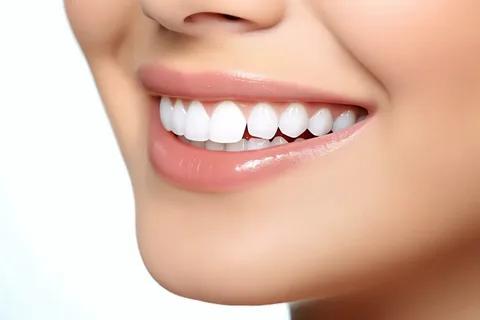
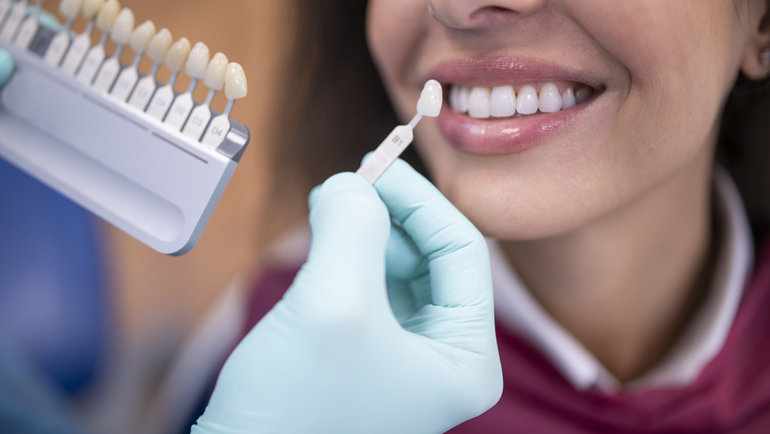
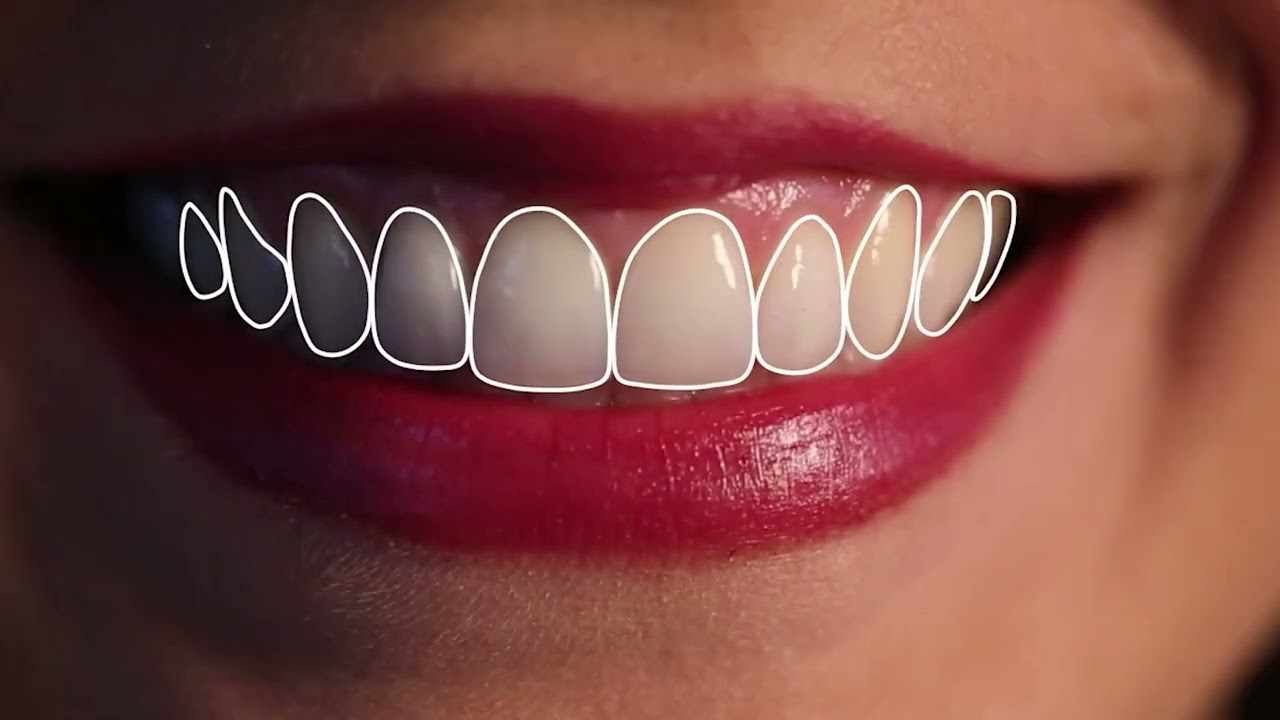
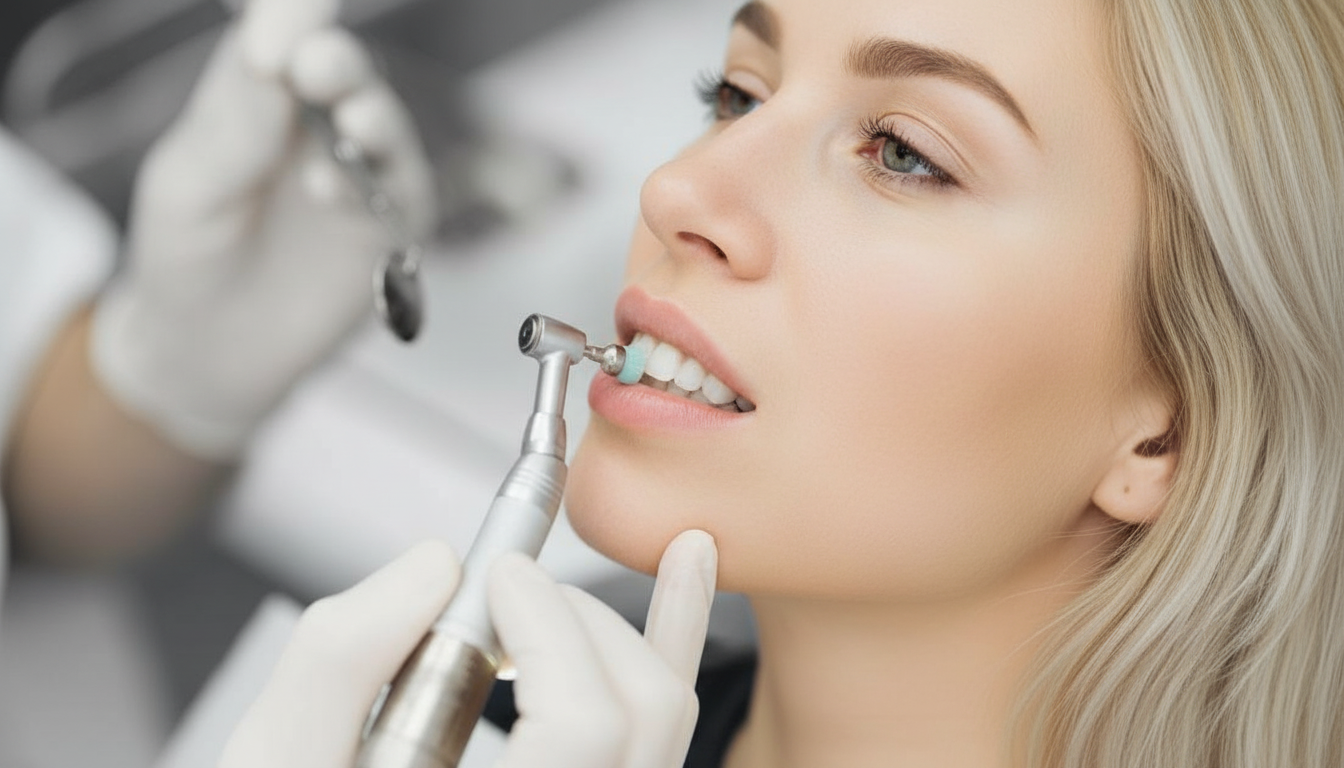
The rise of digital platforms like Instagram and TikTok has made bright, white smiles more visible than ever, influencing how we perceive beauty and self-worth. Many people are inspired by the polished images of celebrities and influencers, which often leads to a surge in interest for cosmetic treatments. However, it is important to remember that many online images are edited or filtered, creating a standard that may be unrealistic. While wanting to enhance your appearance is natural, approaching teeth whitening or smile design with a balanced perspective is essential. Relying solely on do-it-yourself trends found online can be risky; instead, consulting with professionals ensures that the methods used are safe for your specific dental structure. A captivating smile has become a status symbol in the digital age, but true confidence comes from having a healthy foundation.
Restorative Solutions for Damaged or Missing Teeth
When natural teeth are damaged or lost, modern dentistry offers effective ways to restore function and appearance. Dental crowns, often called caps, are custom-made devices that cover decayed or weakened teeth. They are vital for protecting teeth after procedures like root canal treatment or when a tooth is fractured. For those missing one or more teeth, dental bridges provide a way to fill the gap by using adjacent teeth as supports. These restorations do more than just improve your look; they help prevent remaining teeth from shifting out of place, which can cause bite problems and further decay. By restoring the ability to speak and chew naturally, these solutions significantly enhance daily quality of life. Understanding that these are long-term investments in your health helps in making informed decisions about your treatment plan.
The Role of Crowns and Bridges
Bridges are particularly useful because they distribute the force of your bite more evenly, which protects the surrounding jawbone and facial structure. The process typically involves an initial consultation where the dentist assesses the health of the gums and the strength of the anchor teeth. Modern materials like ceramic and zirconia are now commonly used because they mimic the translucency of natural enamel, making the restoration virtually indistinguishable from your own teeth. Taking care of these devices requires the same diligence as natural teeth, including regular brushing and specific flossing techniques under the bridge. With proper maintenance, these prosthetic solutions can last for many years, providing a durable way to maintain your smile’s integrity and preventing the sunken facial appearance that often follows tooth loss over time.
Preparing for Rapid Smile Restoration
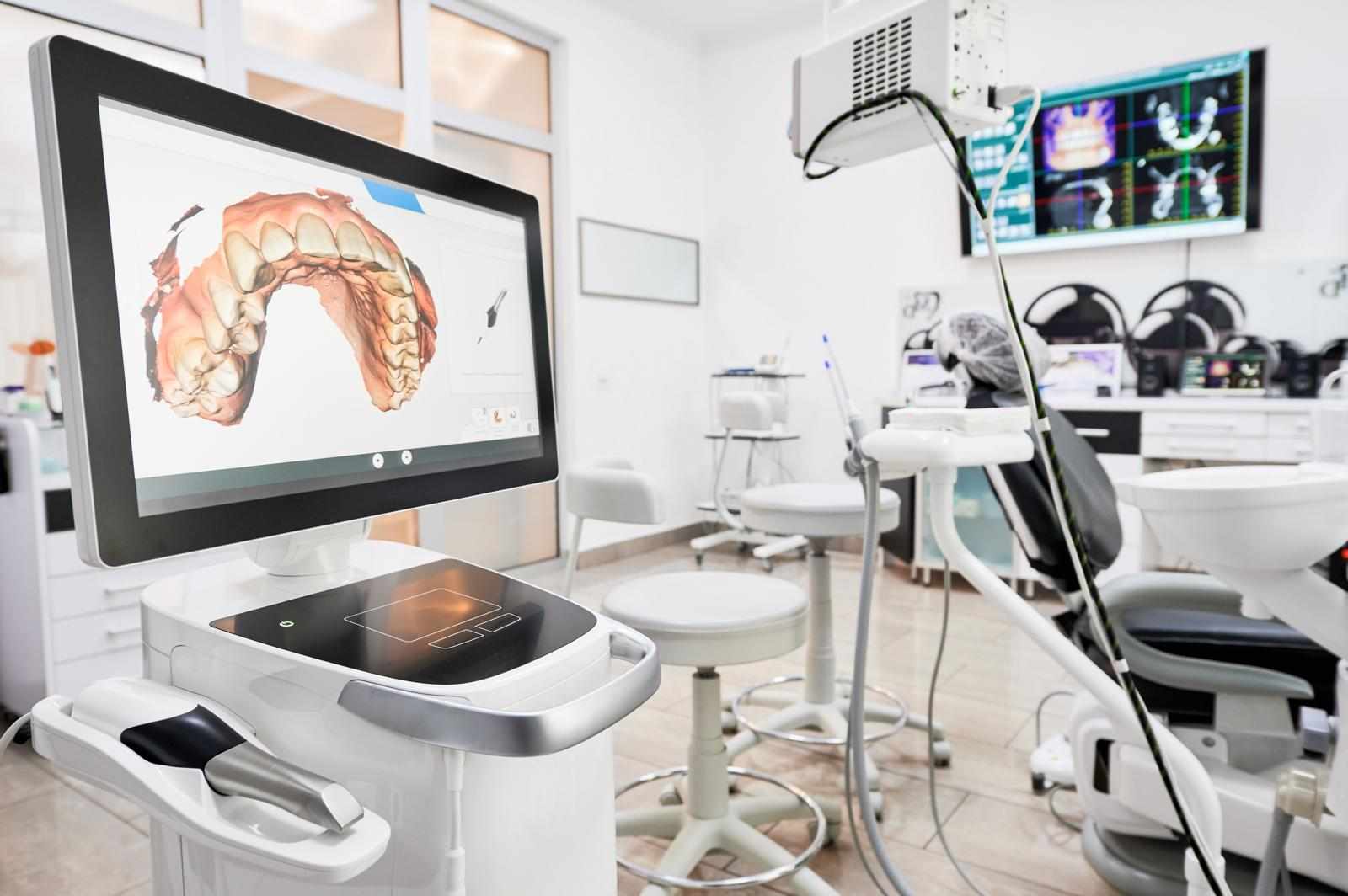
For those seeking faster results, quick teeth replacement surgery—such as immediate loading implants—allows patients to receive functional teeth shortly after the procedure. This approach bypasses the lengthy waiting periods traditionally associated with dental implants. Preparation is a vital step-by-step process that begins with a detailed medical history and 3D scans to assess bone structure. It is important to address any existing gum disease or decay before moving forward with surgery to ensure the best possible outcome. Finding a trusted dental clinic in tirupati is the first step for residents looking to begin this journey, as local expertise can guide you through the specific pre-surgical care needed. Your dentist might recommend a professional cleaning or specific medications to minimize the risk of infection. On the day, following fasting instructions and having support will make the experience much smoother and more comfortable.
Daily Habits for a Lifetime of Health
Maintaining a healthy smile between professional visits is largely about your daily choices. Drinking plenty of water is one of the simplest ways to wash away food particles and neutralize acids that cause decay. If you enjoy foods or drinks that cause staining—such as turmeric-heavy curries, tea, or coffee—rinsing your mouth with water immediately after can help minimize surface discoloration. It is also important to be mindful of how hard you brush; many Indians inadvertently damage their enamel by using too much force. A soft-bristled brush and gentle, circular motions are far more effective at removing plaque without hurting the gums. Combining these habits with a diet rich in calcium and low in processed sugars will protect the density of your jawbone and the strength of your teeth for years to come.
Common Questions About Dental Care
How long do dental crowns usually last? Most crowns last ten to fifteen years with hygiene.
Is teeth replacement painful? Modern anesthesia ensures comfort, though minor swelling is normal during recovery.
Can coffee stain my teeth? Yes, beverages cause stains, but rinsing after consumption helps significantly.
Are bridges better than implants? Implants are permanent, while bridges are often faster and cost-effective.
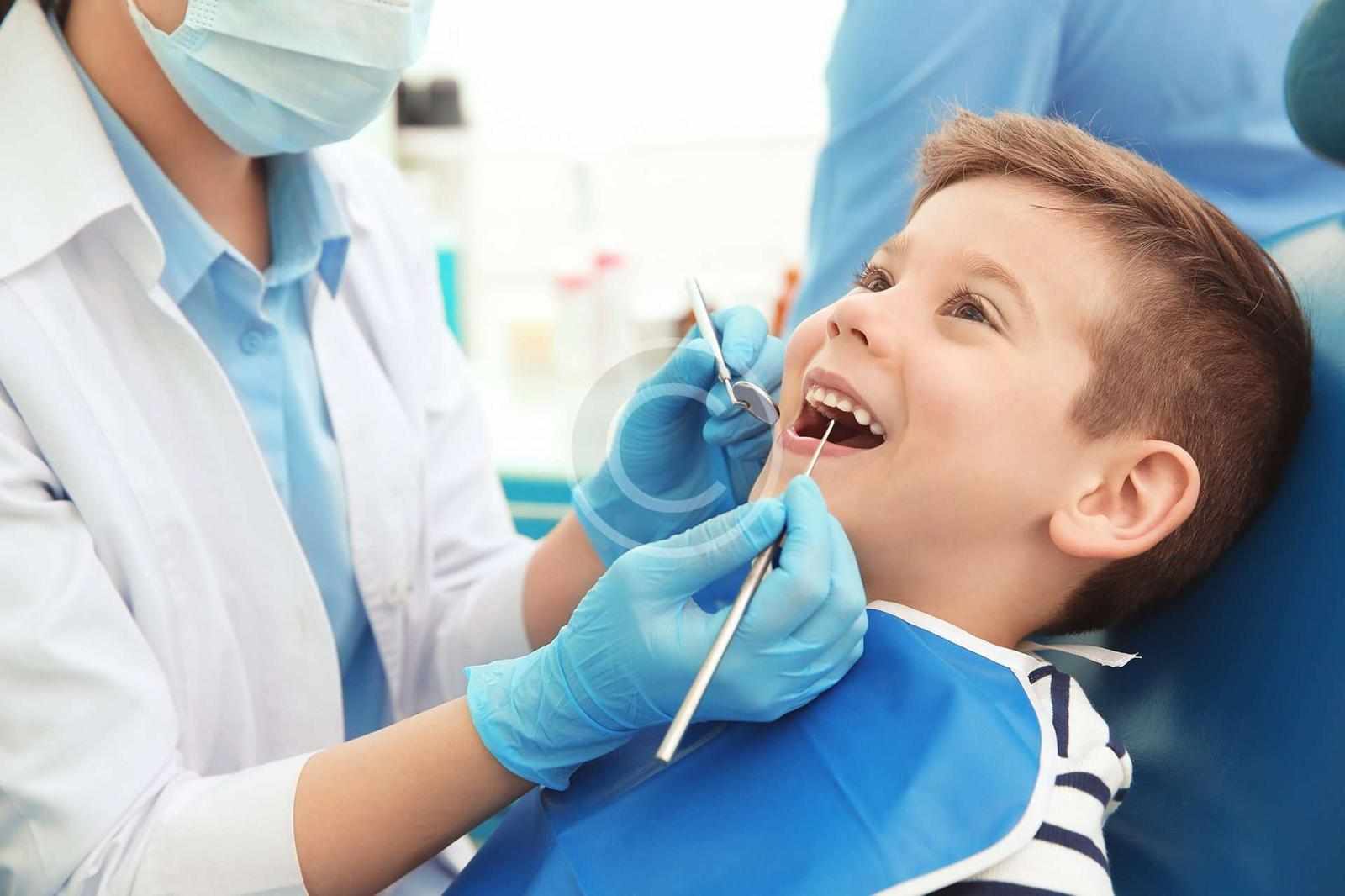
When should children visit? Dentists recommend a visit by age one to build trust.
Conclusion
A healthy smile enhances your confidence every day and ensures you always feel your absolute best.


Write a comment ...