
Do you experience a persistent click when you yawn, or a dull ache in your jaw after a long day? These are common indicators of a Temporomandibular Joint (TMJ) disorder. TMJ disorders (TMD) affect the joint that connects your jawbone to your skull, as well as the muscles that control jaw movement. Understanding the various options for tmj treatment can help you reclaim a life free from facial discomfort and restricted movement.
What is TMJ Disorder?
The temporomandibular joint is one of the most complex joints in the body, facilitating essential actions like talking, chewing, and swallowing. When this joint or the surrounding muscles become inflamed or misaligned, it can lead to symptoms such as:
Jaw Pain or Tenderness: Discomfort that may radiate to the ear, face, or neck.
Joint Noises: Clicking, popping, or grating sounds when opening or closing the mouth.
Limited Mobility: Difficulty opening the mouth fully or the jaw "locking" in position.
Secondary Symptoms: Chronic headaches, earaches, and even dizziness.
[Image: Diagram of the human jaw showing the location of the Temporomandibular Joint (TMJ)]
Non-Invasive TMJ Treatment Options
For many, TMJ symptoms are temporary and can be managed with conservative, non-invasive approaches.
1. Self-Care and Lifestyle Modifications
Resting the jaw is often the first line of defense. This includes:
Soft Food Diet: Avoiding hard, crunchy, or chewy foods to reduce joint strain.
Heat and Cold Therapy: Applying warm compresses for chronic pain or ice packs for acute inflammation.
Habit Correction: Consciously avoiding jaw clenching, nail-biting, or chewing on objects like pens.
2. Physical Therapy and Exercises
Specialized jaw exercises can strengthen muscles and improve the range of motion. Techniques such as ultrasound therapy or Transcutaneous Electrical Nerve Stimulation (TENS) are also used to relax tight muscles and improve blood flow.
3. Oral Appliances (Splints and Mouthguards)
Custom-made mouthguards or stabilization splints are frequently prescribed. These devices fit over the teeth to prevent grinding (bruxism) and help guide the jaw into a more neutral, relaxed position.
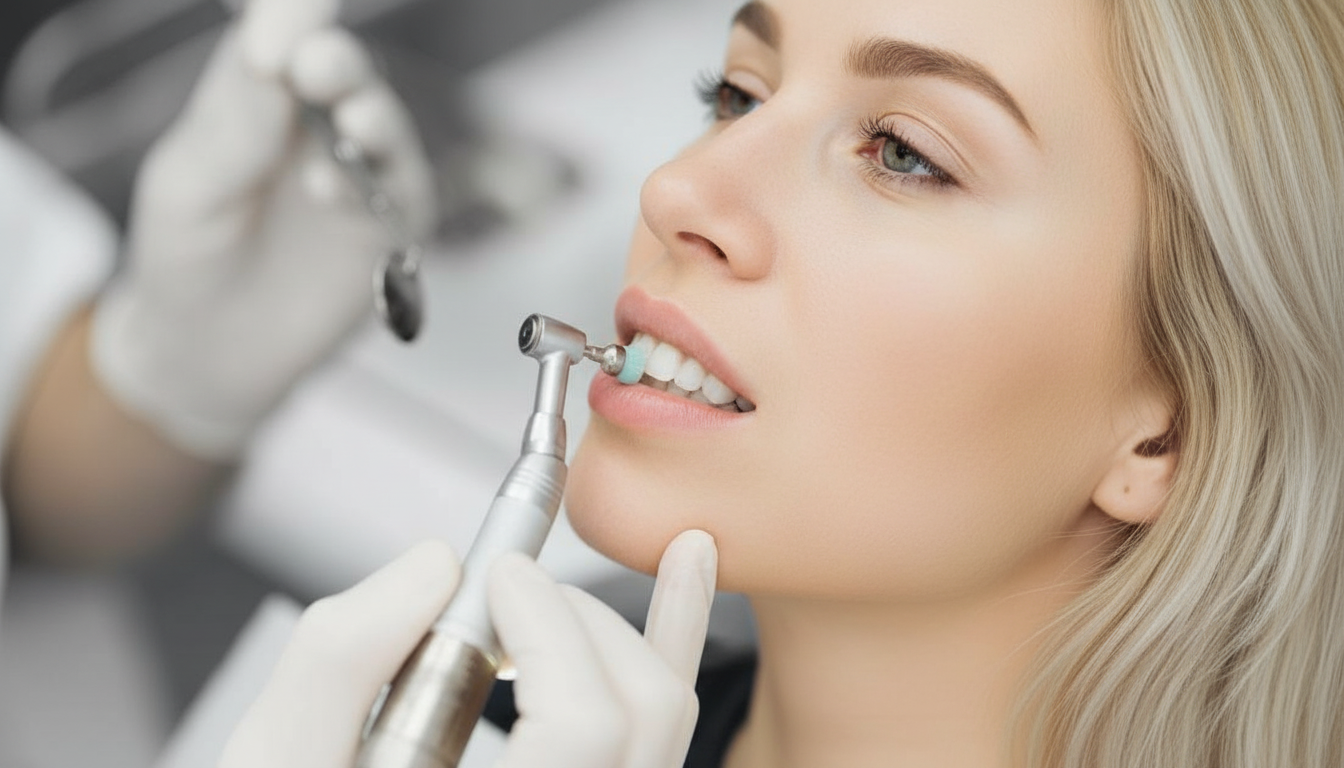
[Image: A professional dental professional fitting a custom oral splint for a patient]
Advanced and Restorative Treatments
When conservative methods are insufficient, dentists may look toward restorative or surgical solutions to address the root cause of the misalignment.
Restorative Dentistry
If a misaligned bite (malocclusion) is the primary trigger for TMJ pain, dental restorations can be vital.
Crowns and Bridges: These can rebuild worn or damaged teeth to ensure the bite closes evenly, reducing strain on the jaw joint.
Dental Implants: Replacing missing teeth with implants prevents surrounding teeth from shifting, which helps maintain proper jaw alignment and support.
Minimally Invasive Procedures
Arthrocentesis: A procedure where the joint is flushed with sterile fluid to remove inflammatory byproducts and debris.
Injections: Corticosteroid or Botox injections into the jaw muscles can provide significant pain relief for those with severe muscle spasms.
Seeking Local Care: TMJ Treatment in Tirupati
For residents of Andhra Pradesh, finding specialized care is essential for effective long-term management. Accessing tmj treatment in tirupati has become increasingly convenient with several multi-specialty dental hospitals offering advanced diagnostic tools like 3D X-rays and MRI scans.
Prominent facilities such as Partha Dental Clinic, Ankura Hospital, and New Global Dental provide comprehensive evaluation services. Specialists in the region, including Oral and Maxillofacial surgeons, can tailor treatment plans ranging from custom splints to surgical interventions for complex cases.
Frequently Asked Questions (FAQs)
1. Can stress cause TMJ disorders? Yes. Stress often leads to unconscious jaw clenching and teeth grinding, which puts excessive pressure on the temporomandibular joint.
2. How long does TMJ treatment take? The timeline varies. Some patients find relief within a few weeks of self-care, while others may require several months of physical therapy or appliance use to stabilize the joint.
3. Is surgery always necessary for TMJ? No. Surgery is typically reserved as a last resort for severe cases where the joint has significant structural damage and has not responded to conservative treatments.
4. Can teeth whitening help with TMJ? While teeth whitening improves aesthetics and can boost confidence, it does not treat the functional issues of the jaw joint. However, patients often choose cosmetic enhancements once their functional TMJ issues are resolved.


Write a comment ...