
Waking up with a stale taste in your mouth is quite common, but feeling that persistent odor throughout the day can be a different struggle entirely. For many people across India, bad breath is more than just a minor annoyance; it is a source of daily anxiety that can affect how we speak, laugh, and interact with others. While it is often seen as a sign of poor hygiene, the reality is much more complex. Often, even those with a strict routine of brushing and flossing find themselves reaching for mints or mouthwash every hour. This suggests that the issue might be deeper than just surface-level cleanliness.
The Hidden Science of Oral Odor
To truly address bad breath, we must understand that the mouth is a busy environment for millions of bacteria. These microscopic organisms are naturally present, but problems arise when they begin to thrive in large numbers. These bacteria break down tiny food particles and proteins found in saliva or on the tongue. During this process, they release volatile sulfur compounds, which are the main culprits behind the unpleasant smell we associate with halitosis.
These bacteria love to hide in places where a toothbrush cannot easily reach. One of their favorite spots is the very back of the tongue, where a white or yellowish coating often forms. This coating is essentially a mixture of bacteria, dead cells, and food debris. Another hiding spot is the thin layer of plaque that forms on the teeth throughout the day. If plaque is not removed, it can harden into tartar, which provides a rough surface for even more bacteria to latch onto. Once tartar forms, it becomes very difficult to remove at home and usually requires a professional touch to clear away the buildup and the smell it brings.
The Indian Lifestyle: Spices, Climate, and Hydration
Our daily habits and the environment we live in play a significant role in our oral health. In many Indian households, the diet is rich in aromatic spices, garlic, and onions. While these ingredients make our food delicious, they contain oils that are absorbed into the bloodstream. These oils eventually travel to the lungs and are released when we breathe out, creating a temporary but noticeable odor.
However, a more persistent issue in our climate is dehydration. During the hot summer months or in humid coastal regions, the body loses fluids quickly through sweat. When you are dehydrated, your mouth produces less saliva. Saliva is the mouth’s natural defense system; it constantly washes away food particles and neutralizes the acids produced by bacteria. Without enough saliva, the mouth becomes dry, allowing bacteria to multiply rapidly and produce more sulfur compounds. This is why staying hydrated by drinking at least two to three liters of water a day is one of the simplest ways to keep your breath fresher for longer.
When Home Care Is Not Enough: Dental Issues and Solutions
Sometimes, no amount of water or brushing can fix the problem because the cause is a physical dental issue. Cavities and cracked fillings can act as tiny traps for food, where it slowly decays and produces a foul smell. Similarly, gum disease, such as gingivitis or periodontitis, creates deep pockets between the teeth and the gums. These pockets become havens for bacteria that are impossible to reach with standard dental floss.
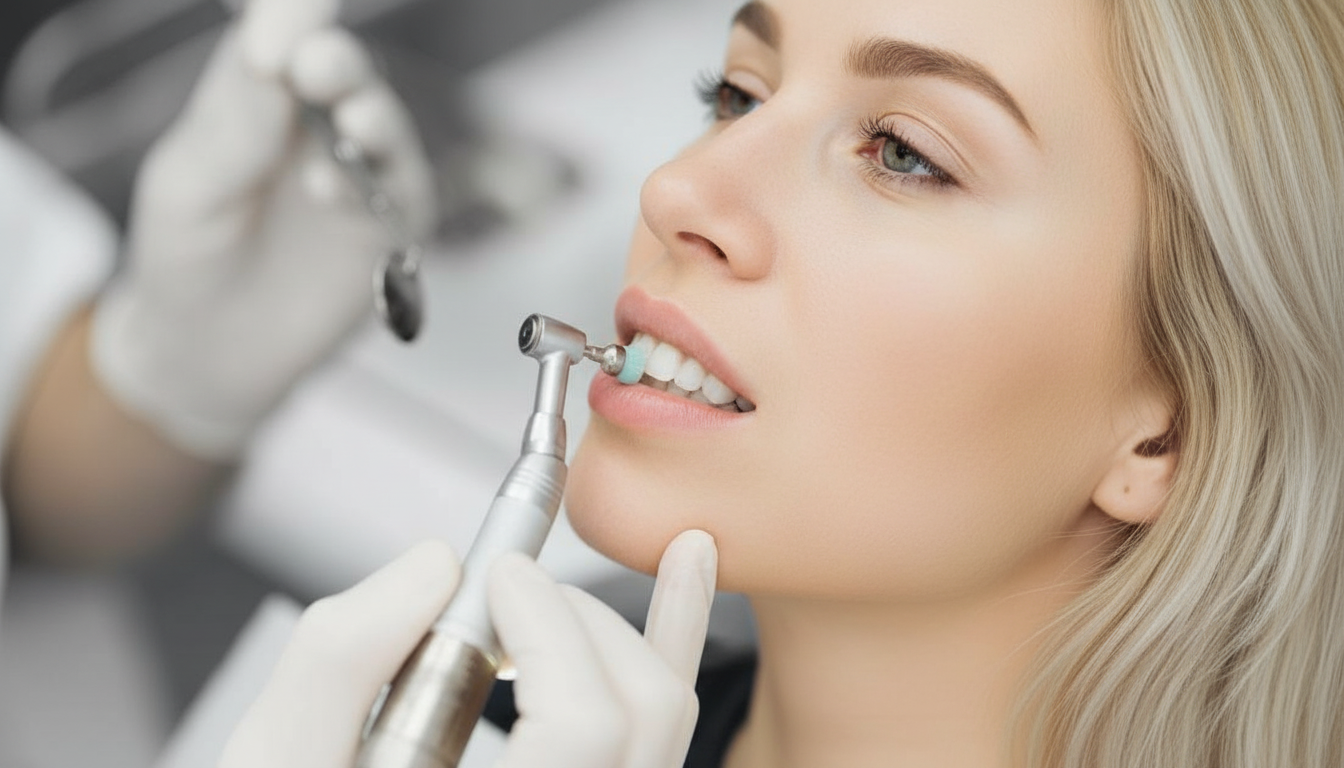
If you find that your breath does not improve after a few weeks of diligent care, it might be time to look for professional help. A dentist can perform a thorough check-up to see if there are hidden infections or deep-seated tartar that need attention. For those living in the Rayalaseema region, seeking bad breath treatment in tirupati can provide access to specialized tools like ultrasonic scalers that remove bacteria from below the gum line where they cause the most damage. Addressing these issues early not only freshens the breath but also prevents more serious problems like tooth loss in the future.
The Role of Restorations: Crowns and Bridges
Many people are surprised to learn that dental work like crowns or bridges can sometimes contribute to bad breath. When these restorations are placed to fix damaged or missing teeth, they must fit perfectly against the natural tooth and gum line. If a crown is ill-fitting or if its margins are not properly sealed, tiny gaps can form. These gaps are large enough for bacteria and food to enter but too small for a toothbrush to clean.
Over time, food trapped under a bridge can start to rot, leading to a very specific and unpleasant odor. This does not mean that crowns or bridges are bad; rather, it highlights the importance of choosing quality dental care and maintaining them properly. Regular visits to a dentist ensure that these restorations remain secure and that the surrounding gums stay healthy. Cleaning around a bridge often requires special tools like interdental brushes or water flossers to clear out the debris that naturally accumulates there.
Restoring Confidence in a Social World
The impact of bad breath is not just physical; it is deeply social and psychological. In today’s world, where we are constantly sharing photos and meeting people, the pressure to have a perfect smile and fresh breath is higher than ever. People who struggle with chronic halitosis often report feeling isolated or hesitant to participate in social gatherings. They may avoid close conversations or cover their mouths when they laugh, which can lead to a drop in self-confidence.
Understanding that this is a manageable dental condition can help remove the stigma. By focusing on the root causes—whether it is bacteria on the tongue, a dry mouth, or a poorly fitted crown—you can take practical steps to regain your confidence. A healthy mouth is a gateway to better overall health and a more vibrant social life, allowing you to focus on your journey without the constant worry of an unpleasant odor holding you back.
FAQs
1. Why does my breath smell even though I brush my teeth twice a day? Brushing only cleans about 60% of your tooth surfaces. Bacteria often hide in between teeth, in gum pockets, or on the back of the tongue where a standard brush might not reach effectively.
2. Can certain diets cause long-term bad breath? Yes, diets very low in carbohydrates can put the body into a state called ketosis. When this happens, the body releases chemicals called ketones through the breath, which can have a fruity or metallic smell that brushing cannot fix.
3. Is mouthwash a permanent solution for halitosis? Mouthwash is usually a temporary fix that masks the smell for a short time. Alcohol-based mouthwashes can actually dry out the mouth, potentially making the problem worse in the long run.
4. How often should I get a professional dental cleaning? Most dental professionals recommend a professional cleaning every six months to remove tartar and check for early signs of gum disease that could be causing odor.
5. Can a dry mouth lead to tooth decay as well as bad breath? Yes, because saliva helps neutralize acids and wash away bacteria. A lack of saliva means bacteria stay on the teeth longer, increasing the risk of both cavities and persistent bad breath.
6. Do dental implants or bridges require special cleaning to prevent odor? Absolutely. Food can easily get trapped under bridges or around the base of an implant. Using interdental brushes or water flossers is essential to keep these areas clean and odor-free.
Conclusion
Tackling bad breath requires a balanced approach of good home habits and professional care. By staying hydrated, cleaning your tongue, and visiting a dentist regularly, you can address the root causes of oral odor. Remember, your smile and your breath are essential parts of how you present yourself to the world, and taking care of them is a vital step toward long-term health and self-assurance.







Write a comment ...